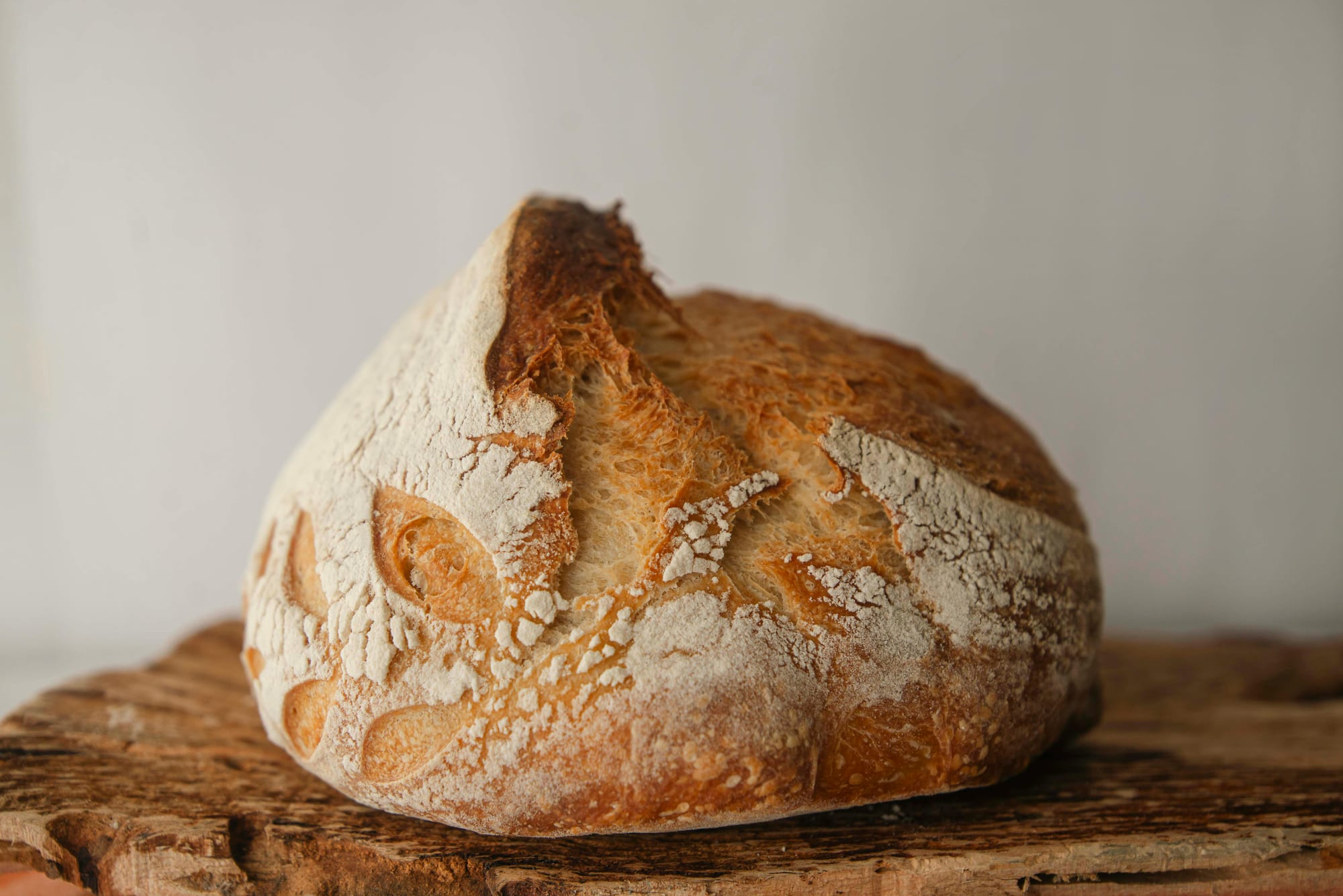
Grating An Apple Into Your Sourdough Starter Can Make Your Loaves Taller And More Delicious
Ever pondered the key to crafting that perfect, lofty sourdough loaf? The one with a crust so crisp it could wake the neighbors and a crumb so light you'd swear it was made of air? Well, my friends, the secret might just be as simple as reaching for an apple from your fruit bowl. But why an apple, you ask? And how can something so seemingly unrelated to bread play such a vital role in its rise?
I recently revived a new sourdough starter and was pleasantly surprised by how straightforward it all is. All it takes is water, flour, and time (and the fortitude to ignore that day-three aroma). But while simplicity reigns supreme, sometimes a little twist can make all the difference. For instance, Paul Hollywood swears by grating an organic Cox apple into his starter—and he’s not alone. Let me explain why this could be one of the best things you do for your sourdough.
The Science Behind Adding Apple to Sourdough Starter
So, what does science have to say about this fruity addition to our beloved starter? Apples are packed with natural sugars and pectin, both of which can significantly influence the microbial environment in your sourdough culture. When you introduce grated apple to your starter, you’re essentially setting a lavish feast for the wild yeasts and bacteria that thrive within it.
Feeding the Microbes
The natural sugars found in apples provide an immediate food source for these microorganisms. This influx of nutrients can lead to more vigorous fermentation, which means better gas retention during proofing. In simpler terms, your bread will rise higher and have a lighter, airier crumb. It’s like giving your starter a supercharged boost!
Enhancing Aroma and Flavor
But it’s not just about the rise; adding apple also brings a subtle sweetness and a hint of fruitiness to your dough. This can elevate the overall flavor profile of your bread, making each slice a delightful experience. The pectin in apples acts as a natural thickener, improving the texture of your dough and giving it a more cohesive structure.
Techniques for Incorporating Apple into Your Starter
Now that we know why adding apple is beneficial, let’s dive into how you can do it effectively. There are several methods to choose from, each with its own advantages depending on what you’re aiming to achieve.
Grating Fresh Organic Apples
This method is the most straightforward and ensures your starter gets the full benefits of fresh fruit. Choose an organic apple, preferably one with a thin skin like a Cox or Gala, as these tend to be less bitter. Wash the apple thoroughly, then grate it directly into your starter. A good rule of thumb is about 20 grams (about 1/4 cup) of grated apple per 100 grams of starter. It’s like adding a little bit of orchard magic to your kitchen!
Using Apple Cider or Juice
For those who want to simplify the process, using organic apple cider or juice can be an excellent alternative. The liquid content will affect the hydration level of your starter, so adjust accordingly by reducing the water you add. A good starting point is to replace 20-30% of the water in your feed with apple cider. It’s like giving your starter a refreshing drink from the farm!
Dried Apple Pieces
If fresh apples are out of season or not readily available, dried apple pieces can be a convenient option. Rehydrate them in warm water for about 15 minutes before adding them to your starter. This method is particularly useful if you’re looking to maintain the benefits of apple over a longer period without having to grate fresh fruit each time. Think of it as a time-saving hack that still delivers the goods!
Troubleshooting and Tips
Adding apple to your sourdough starter can sometimes lead to unexpected outcomes, especially if you’re new to the process. Here are a few tips and troubleshooting ideas to help you navigate any challenges that might arise.
Over-Fermentation
One common issue when adding fruits to starters is over-fermentation, which can result in an overly alcoholic smell or taste. To prevent this, keep a close eye on your starter during the first 24 hours after adding apple. If it starts to become too active, you can slow down fermentation by refrigerating the starter for a few hours. It’s like giving it a little nap to calm things down.
Balancing Flavors
If you find that the apple flavor is too prominent, try reducing the amount of apple you add or increasing the frequency of your feedings. This will help dilute the fruit’s influence and bring the flavors back into balance. It’s all about finding that sweet spot—literally!
Patience and Consistency
Remember, it’s all in the technique! The benefits of adding apple to your starter may not be immediately apparent, especially if your culture is still young. Give it time and be consistent with your feedings. Over the course of a few weeks, you should start to notice improvements in both the flavor and structure of your bread. It’s like nurturing a friendship; the more you invest, the better the results!
Conclusion
Grating an apple into your sourdough starter might seem like a small tweak, but it can have a big impact on the quality of your loaves. From enhancing microbial activity to improving texture and flavor, this simple addition is a game-changer for any baker looking to take their sourdough to the next level.
So why not give it a try? The next time you’re ready to feed your starter, reach for an apple and see what magic unfolds in your kitchen. Who knows? You might just find that this fruity secret becomes a staple in your baking routine. Happy baking!
Related: What Makes a Good Protein: Insights from Matthew Balkin
Enjoyed this? Enter your email for a weekly digest from Recipequest Blog.