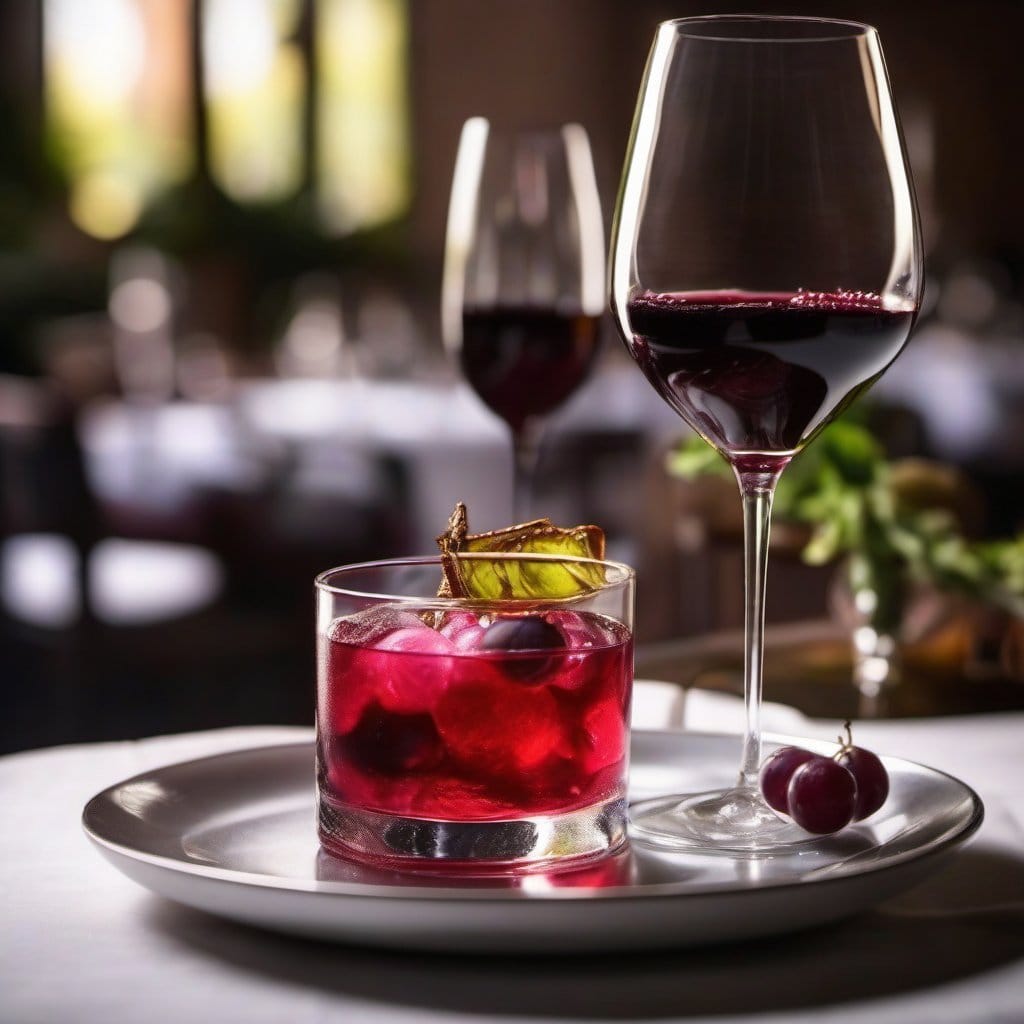
The One Drink You Should Always Order from a Restaurant Wine List
Ever found yourself staring at a restaurant wine list, feeling like you need a sommelier degree just to make a choice? It's not just you. With rows of labels, regions, and vintages, selecting the right bottle can feel like a daunting task. But what if I told you there’s one drink that stands out as a reliable choice, ensuring you get top-notch quality at a wallet-friendly price? This isn’t about settling; it’s about making an informed decision that aligns with both your taste buds and your budget.
In this article, we'll dive into why ordering the house wine can be a smart move. We’ll explore its benefits, debunk common myths, and provide tips to enhance your dining experience. So, let’s get our hands dirty and create something magical—your perfect wine pairing for any restaurant meal.
Why House Wine is Often the Best Value
When you order the house wine at a restaurant, you’re tapping into a carefully curated selection that balances quality with cost-effectiveness. Restaurants choose their house wines for several reasons, but one of the primary factors is value. These bottles are typically selected to offer good flavor and character without breaking the bank.
Cost-Effectiveness Without Compromise
House wines are often sourced in bulk or through long-standing relationships with suppliers, allowing restaurants to keep costs low while maintaining a consistent quality. For instance, a restaurant might pay $10 for a bottle that they sell for $25, which is a reasonable markup compared to premium bottles that could retail at three to four times their cost. (I remember my first job in a bustling Brighton café where the owner had a knack for finding great deals on bulk wine—quality without the hefty price tag!)
Quality Control
Restaurants take pride in their house wine selections because it reflects on their overall dining experience. A poor-quality house wine can deter customers from returning, so many establishments ensure that these wines are reliable and enjoyable. This is particularly true for Michelin-starred or highly rated restaurants where the house wine undergoes rigorous tasting before being added to the menu. (Imagine a five-star chef serving subpar wine—it’s just not going to fly!)
Versatility in Pairing
House wines are often chosen for their versatility, making them a great match for a wide range of dishes. Whether you’re enjoying a light salad, a hearty steak, or a seafood platter, a well-chosen house white or red can complement your meal without overwhelming it. For example, a crisp Pinot Grigio pairs wonderfully with fish and pasta dishes, while a smooth Merlot is an excellent choice for red meats.
Debunking Common Myths About House Wine
Despite its many advantages, house wine often faces unfair scrutiny. Let’s address some common myths to help you make a more informed decision.
Myth 1: House Wine is Always Cheap and Low-Quality
One of the most pervasive myths is that house wine is cheap and low-quality. While it's true that house wines are generally less expensive, this doesn’t mean they lack character or flavor. Many restaurants take great care in selecting their house wines to ensure they meet a certain standard. (Think about it: would you want your guests leaving with a bad taste? Neither do restaurateurs!)
Myth 2: House Wine is Only for Casual Dining
Another myth is that house wine is only suitable for casual dining experiences. This couldn’t be further from the truth. Even high-end restaurants offer house wines that are perfectly acceptable for special occasions. For instance, a sophisticated Pinot Noir or Chardonnay can elevate a formal dinner without emptying your wallet. (I once had a delightful glass of house Chardonnay at a Michelin-starred restaurant—proof that good wine doesn’t have to be expensive!)
Myth 3: House Wine is Always the Same
Some people assume that house wine is always the same across different restaurants. However, each establishment has its own unique selection based on their preferences and customer base. A house wine in an Italian restaurant might be a robust Chianti, while a French bistro could offer a light Beaujolais. (Just like how every baker has their signature loaf, every restaurant has its go-to house wine.)
Tips for Ordering House Wine Like a Pro
Now that we’ve established the value of house wine, let’s dive into some practical tips to help you make the most of your order.
1. Ask Your Server for Recommendations
Your server is your ally when it comes to navigating the wine list. They can provide valuable insights based on their experience and the restaurant's offerings. Don’t hesitate to ask questions about the house wine, such as its origin, flavor profile, and pairing suggestions. (A good server will be more than happy to help you find something you’ll love—after all, a happy customer is a returning customer!)
2. Consider the Restaurant’s Specialties
The type of cuisine a restaurant specializes in can give you clues about the house wine selection. For example, an Italian restaurant is likely to have a well-chosen Chianti or Barbera, while a Spanish tapas bar might offer a refreshing Albariño. (If you’re dining at a place known for its seafood, chances are their white wines will be spot-on!)
3. Look for Seasonal Offerings
Many restaurants change their house wine selections seasonally to reflect what’s fresh and available. During the summer, you might find lighter, more refreshing wines like Sauvignon Blanc, whereas in winter, richer reds like Cabernet Sauvignon or Syrah could be on offer. (Just like how we switch from light salads to hearty stews as the seasons change, restaurants often update their wine lists to match.)
4. Don’t Be Afraid to Try Something New
One of the joys of ordering house wine is the opportunity to try something new. If you’re a fan of a particular grape or region, ask your server if they have any similar options in their house selection. You might discover a new favorite! (I once tried a house Tempranillo that blew me away—now it’s one of my go-to wines for tapas nights.)
Conclusion: Embrace the House Wine Experience
In conclusion, ordering the house wine at a restaurant can be a savvy choice that ensures you enjoy a high-quality drink without overspending. By understanding its value, debunking common myths, and following our tips, you can enhance your dining experience and make informed decisions.
So, the next time you’re faced with a lengthy wine list, remember: "A pinch of this and a dash of that..." can lead to a delightful evening. Trust in the house wine and let it be the gateway to a memorable meal. Don’t forget to share your experiences and newfound knowledge with friends—after all, good wine is always better when shared!
Related: 5 Chain Restaurants With Fresh, In-House Salad Dressings | Grating An Apple Into Your Sourdough Starter Can Make Your Loaves Taller And More Delicious
Enjoyed this? Enter your email for a weekly digest from Recipequest Blog.